Mole Control in the Home: A Guide for North East Scotland
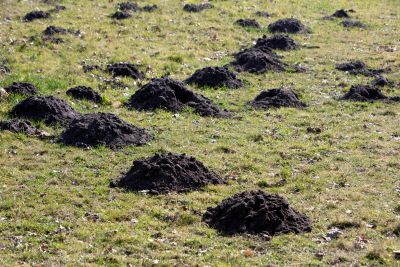
Moles are among the most persistent garden pests encountered across Aberdeen and Aberdeenshire, causing disruption not through direct contact with residents, but through the steady damage they inflict on lawns, flower beds, and land. Unlike many pests, moles rarely enter buildings themselves — their impact is almost entirely below ground, which makes them easy to underestimate until a garden or field is covered in molehills. This guide covers why moles are drawn to domestic land in the North East, where they're most commonly found operating, and the treatment methods available to remove them effectively.
Why Moles Target Domestic Gardens and Land
Moles are solitary, territorial animals that spend almost their entire lives underground, and they select ground based on a fairly specific set of conditions:
- Soil quality and moisture. Moles favour soft, workable soil with a healthy population of earthworms and grubs — their primary food source. Well-maintained lawns and cultivated beds often provide exactly this.
- Undisturbed ground. Established gardens, verges, paddocks, and quieter stretches of land give moles the continuity they need to build a stable tunnel system without regular disruption.
- Abundant food supply. A single mole can eat close to its own body weight in earthworms daily, so gardens and fields with rich soil life are a strong draw.
- Mild, damp conditions. The North East's cool, moisture-retentive soil — particularly after periods of rain common to the region — keeps ground workable and worm populations active for much of the year, extending the period during which mole activity is likely.
A single mole can create a surprising amount of surface disruption on its own, and while moles are territorial and don't tend to live in large groups, adjoining gardens or fields may host several individuals whose tunnel systems border one another.
Likely Locations for Mole Activity in North East Scotland
Given local land use and soil conditions, certain areas tend to see mole activity more consistently than others:
- Lawns and garden borders, particularly in older, well-established gardens with undisturbed soil and healthy worm populations.
- Allotments and vegetable plots, where regularly cultivated, nutrient-rich soil is especially attractive.
- Paddocks, fields, and rural land, common across Aberdeenshire's semi-rural and farming areas, where open ground gives moles room to establish extensive tunnel networks.
- Verges and boundary strips between gardens, hedgerows, or fields, which often go undisturbed and provide a natural corridor for tunnelling.
- Areas near hedgerows and mature trees, where loose, root-aerated soil is easier to tunnel through.
- Sports pitches, golf courses, and amenity grass areas, which combine well-maintained turf with the kind of undisturbed soil moles favor.
Because moles operate almost entirely underground, activity often goes unnoticed until molehills or raised ridges appear on the surface — by which point a tunnel system may already be well established.
Signs of Mole Activity
Look out for the following, particularly in spring and autumn when mole activity tends to peak:
- Molehills — small, conical piles of loose soil pushed up from below, often appearing in a line or cluster.
- Raised ridges across the lawn or field, marking the path of shallow surface tunnels.
- Sunken or soft patches of ground, where a tunnel beneath has partially collapsed.
- Sudden new molehills after rain, as moles often push soil to the surface following wet weather when digging is easier.
Treatment Methods
Effective mole control depends on the size of the area affected, the extent of the tunnel system, and how quickly the problem needs to be resolved. Common professional approaches include:
Trapping
The most widely used and reliable method of mole control. Traps are set within active tunnels — identified by probing the ground to locate genuine, in-use runs rather than surface feeding tunnels. Properly placed traps offer a fast, targeted way to remove moles without the use of chemical products, and are generally the preferred method for domestic gardens.
Tunnel Mapping and Survey
Before treatment, a technician will typically assess the extent of the tunnel network by probing the ground to distinguish active runs from old or abandoned ones. This step improves the accuracy of trap placement and gives a clearer picture of how many moles may be involved.
Repeat Monitoring
Because moles are territorial, removing one individual can sometimes free up a favourable stretch of ground for another mole to move into from neighbouring land. Follow-up visits to check for renewed activity help ensure the problem doesn't quietly return a few weeks later.
Preventive Advice
While there's no permanent way to make land unattractive to moles, advice on managing soil conditions, drainage, and boundary vegetation can help reduce the likelihood of repeat activity in particularly persistent spots.
A Note on Approach
Trapping, carried out correctly and checked regularly, remains the standard professional approach. Attempting DIY trapping without experience often results in tunnels being damaged or traps placed in inactive runs, which can prolong the problem rather than resolve it.
Get in Touch
If molehills are appearing on your lawn, garden, or land, early action makes tunnel systems easier to trace and treat before they become established further. Contact us today for a professional mole control service across Aberdeen and the wider North East of Scotland.