RODENT Control in the Home: A Guide for North East ScOTLAND
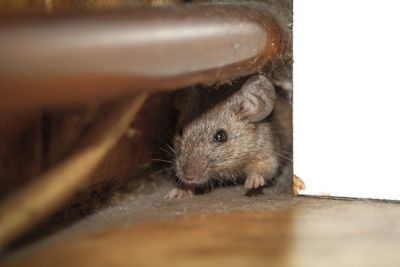
Rodents are one of the most frequently reported pest issues in homes across Aberdeen and Aberdeenshire, with both rats and mice well suited to the region's mix of older housing stock, rural surroundings, and cooler climate. Unlike seasonal pests such as wasps, rodent activity can occur year-round, often intensifying in autumn and winter as rats and mice seek out warmth and shelter indoors. This guide explains what draws rodents to domestic properties, where they're most commonly found nesting, and the treatment methods used to deal with an infestation safely and effectively.
Why Rats and Mice Enter Homes
Rodents are drawn to domestic properties by a small number of consistent factors:
- Warmth and shelter. As temperatures drop through autumn and winter, properties offer a stable, sheltered environment compared to open ground — a strong pull given the North East's cold, often damp winters.
- Access to food. Bins, bird feeders, pet food, compost heaps, and food storage in kitchens, sheds, and garages all provide a reliable food source once discovered.
- Easy entry points. Rats and mice can exploit surprisingly small gaps — a mouse can squeeze through a gap around 6-7mm wide, while rats can enter through holes as small as 20mm. Older stone-built properties, common throughout Aberdeen and Aberdeenshire, often have gaps around pipework, air bricks, and foundations that provide easy access.
- Proximity to outbuildings and drains. Sheds, garages, and damaged or poorly maintained drainage systems are common access routes, particularly for rats, which are strong swimmers and climbers and can enter properties via faulty drains.
- Rural and semi-rural surroundings. Aberdeenshire's farmland, hedgerows, and watercourses support large outdoor rodent populations, some of which naturally move toward nearby homes and gardens, particularly as the weather turns colder.
Both rats and mice breed rapidly — a small, unnoticed problem can become a significant infestation within a matter of weeks, which makes early identification particularly important.
Likely Nesting Locations in North East Scotland Properties
Rodents favour quiet, sheltered spaces close to food and warmth. Common nesting and activity sites include:
- Loft spaces and roof voids, particularly where insulation offers convenient nesting material and access is available via damaged soffits or roof tiles.
- Wall cavities, especially in older granite and stone-built properties typical of the region, where gaps around pipework or pointing allow entry.
- Under floorboards and in suspended floor voids, particularly in older properties with traditional timber flooring.
- Kitchens and food storage areas, drawn in by accessible food sources and generally warmer conditions.
- Sheds, garages, and outbuildings, especially where clutter, stored materials, or infrequent use provide undisturbed nesting spots.
- Compost bins and garden stores, which combine shelter with proximity to food.
- Drains and sewer systems, a particularly common access and nesting route for rats, who can travel between a property's drainage system and the surrounding area with ease.
- Cavity insulation and behind kitchen appliances, offering warmth and concealment close to food.
Rural and semi-rural properties across Aberdeenshire, along with older granite-built housing in Aberdeen itself, tend to offer more of these access points than modern, well-sealed new-build housing — one reason rodent callouts remain a steady feature of the local pest control caseload throughout the year.
Signs of Rodent Activity
Because rats and mice are largely nocturnal and cautious by nature, activity is often identified through signs rather than direct sightings:
- Droppings — small, dark, and pellet-shaped, typically found along walls, in cupboards, or near food storage.
- Gnaw marks on food packaging, skirting boards, wiring, or timber, as rodents' teeth grow continuously and require constant wear.
- Scratching or scurrying noises, particularly at night, from within walls, lofts, or under floors.
- Greasy smear marks along frequently used routes such as skirting boards and pipework, caused by dirt and oils on rodents' fur.
- Nesting material, such as shredded paper, fabric, or insulation, gathered in a hidden, sheltered spot.
- An unpleasant, ammonia-like odour, particularly noticeable in enclosed spaces with an active infestation.
Treatment Methods
The right treatment depends on the species involved, the extent of the infestation, and the layout of the property. Professional technicians typically draw on the following methods:
Proofing and Access Point Identification
A thorough survey to identify how rodents are entering the property is a key first step — sealing gaps around pipework, air bricks, damaged brickwork, and roofline defects helps stop new activity while treatment is underway.
Trapping
Break-back or humane traps are positioned along identified runs, near entry points, or close to nesting areas. Trapping is often favoured in kitchens and food preparation areas where rodenticide use needs to be minimised, and offers a fast, chemical-free way to reduce numbers.
Rodenticide (Baiting)
Where infestations are more established, professional-grade rodenticide is placed in secure, tamper-resistant bait stations, positioned along known activity routes. This method is closely regulated and applied in line with best-practice guidance to protect children, pets, and non-target wildlife — an important consideration given the presence of birds of prey and other protected species across Aberdeenshire's countryside.
Drain and External Survey
Given how often rats gain entry via damaged drains, a check of external drainage — including inspection chamber covers and connections — is often carried out alongside internal treatment, with repairs recommended where faults are found.
Follow-Up Visits
Rodent treatment is rarely a single-visit job. Follow-up checks confirm that bait or traps have been effective, allow for adjustment if activity continues, and help ensure proofing measures are holding.
A Note on Approach
Rodenticide use is subject to strict guidance in the UK, including the Campaign for Responsible Rodenticide Use (CRRU) code of best practice, which exists in part to reduce the risk of secondary poisoning to wildlife such as owls and other birds of prey known to be present across the North East. For this reason, and because incorrect bait placement can worsen an infestation rather than resolve it, professional treatment is strongly recommended over DIY approaches, particularly where rats are involved or where an infestation has been ongoing for some time.
Get in Touch
If you've noticed signs of rats or mice in or around your property, prompt action helps prevent a small issue turning into a larger one. Contact us today for a professional, discreet rodent control service across Aberdeen and the wider North East of Scotland.