Wasp Control in the Home: A Guide for North East Scotland
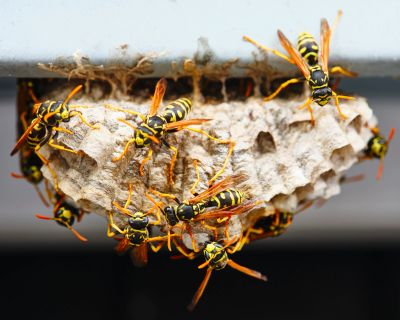
Wasps are one of the most common domestic pest concerns across Aberdeen and Aberdeenshire, particularly from late spring through to early autumn. While often mistaken for a summer nuisance that will simply move on, an active wasp nest close to a home can pose a genuine risk to residents, pets, and visitors — especially as colonies grow larger and more defensive later in the season. This guide explains why wasps choose to nest in and around domestic properties, where they're most commonly found in the North East, and the treatment options available to deal with them safely and effectively.
Why Wasps Nest Near Homes
Wasp queens emerge from hibernation in spring and begin searching for a sheltered, protected site to start a new colony. Homes and gardens are naturally appealing for several reasons:
- Shelter from the elements. Cavities, voids, and covered spaces offer protection from wind, rain, and temperature swings — all in good supply in the North East's changeable coastal climate.
- Building materials as nest material. Wasps construct their nests from chewed wood pulp mixed with saliva, meaning weathered fencing, sheds, and timber cladding common in the region provide a ready material source.
- Proximity to food. Bins, compost heaps, fallen fruit, and even pet food left outdoors attract foraging wasps, which in turn increases the likelihood of a queen settling nearby.
- Undisturbed voids. Cavity walls, loft spaces, and outbuildings that see little human activity are ideal for a colony to grow undetected until numbers become significant.
A single nest can grow from a handful of workers in spring to several thousand wasps by late summer, so early identification and treatment make a meaningful difference to both cost and risk.
Likely Nesting Locations in North East Scotland Properties
Local housing stock and garden layouts across Aberdeen, Aberdeenshire, and the surrounding areas create a number of recurring nesting spots:
- Roof spaces and lofts, particularly where soffits or roof tiles have gaps allowing access from outside.
- Wall cavities, especially in older granite and stone-built properties common throughout the region, where small gaps around pointing or air bricks give wasps entry.
- Garden sheds, garages, and outbuildings, particularly those with timber cladding or infrequent use.
- Under decking and within raised patios, where the sheltered, dark space beneath is well protected from weather.
- Hedges, shrubs, and trees, including well-established garden hedging and evergreens often found in Aberdeenshire gardens.
- Compost bins and log stores, which combine warmth, shelter, and proximity to a food source.
- Underground nests, built in old rodent burrows or loose soil — common in lawns, flower beds, and allotments, and easily disturbed by strimming or gardening.
Coastal and rural properties in the North East, with their stone outbuildings, drystone walling, and larger gardens, tend to offer more of these nesting opportunities than typical new-build housing, which is one reason wasp callouts remain a steady feature of the local pest control season.
Signs of an Active Nest
Before treatment, it helps to confirm activity. Common signs include:
- A visible increase in wasps around a particular area of the house or garden, especially in the morning and early evening.
- Wasps entering and exiting a small gap repeatedly along a consistent flight path.
- A faint rustling or papery sound from within a wall cavity or loft space.
- Sightings of the nest itself — a grey, papery structure — in an accessible location such as a shed roof or hedge.
Treatment Methods
Wasp nest treatment should always be approached with care, particularly where a nest is well established or located in a hard-to-reach void. The following methods are typically used by professional technicians:
Insecticidal Dust Treatment
A fine insecticidal powder is applied directly to the nest entrance or void. Returning wasps carry the dust into the nest on contact, spreading it through the colony and eliminating it within 24–48 hours. This is the most common and effective method for nests within wall cavities, lofts, and other concealed spaces, as it doesn't require full nest removal or destruction of surrounding structure.
Liquid Insecticide Spray
For nests that are visible and accessible — such as those in sheds, hedges, or under eaves — a directly applied liquid treatment can offer rapid knockdown of the colony. This method is generally reserved for exposed nests where dust application isn't practical.
Nest Removal
Once a nest has been fully treated and wasp activity has ceased (usually a few days after treatment), physical removal may be recommended. This is particularly relevant where a nest is in a location prone to attracting future colonies, or where debris could cause issues such as staining or blocked airflow in loft spaces.
Preventive Proofing
Following treatment, identifying and sealing potential entry points — gaps in soffits, damaged pointing, or unsealed air bricks — helps reduce the likelihood of new queens establishing nests in the same location the following season.
A Note on Safety
Wasp stings can cause anything from localized swelling to serious allergic reactions, and disturbing a nest without the right protective equipment and treatment products significantly increases the risk of multiple stings. Nests in enclosed spaces such as wall cavities can also be difficult to treat effectively without professional-grade equipment. For these reasons, homeowners across Aberdeen and Aberdeenshire are strongly advised against attempting DIY removal of established nests, particularly later in the season when colonies are at their largest and most defensive.
Get in Touch
If you've spotted wasp activity around your home or outbuildings, prompt treatment reduces both the risk to your household and the eventual size of the colony. Contact us today for a fast, professional wasp control service across Aberdeen and the wider North East of Scotland.